
Five documents an HSE inspector will ask for first
MGS Safety team · 1 min read
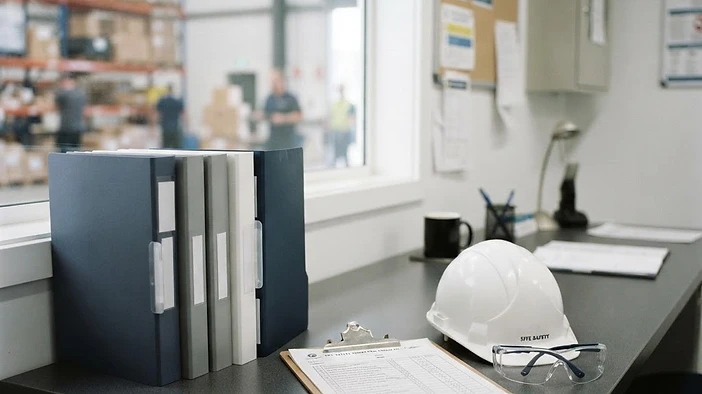
When an inspector arrives, these are the records they reach for first — and the gaps that most often catch SMEs out.
An unannounced visit is rare, but it happens. When it does, an inspector is usually less interested in a polished folder than in evidence that you understand your risks and act on them.
These are the documents they tend to ask for first.
1. Your risk assessments
Not a generic template with your logo on it — assessments that reflect your premises, your processes and your people. Each one should show the hazards you identified, who is at risk, the controls in place and who owns the action.
2. Your health and safety policy
If you employ five or more people, a written policy is a legal requirement. It should be signed, dated and reviewed — not left in a drawer since 2019.
3. Competence and training records
Who has been trained, when, and on what. This includes induction records, toolbox talks and any specialist training such as first aid or forklift operation.
4. Statutory inspection and maintenance records
Depending on your site, this may include:
- Lifting equipment examinations (LOLER)
- Pressure systems
- Electrical installation condition reports
- Fire alarm testing and extinguisher servicing
- Local exhaust ventilation checks
5. Accident book and incident investigations
An inspector checks that incidents were recorded, investigated and that something changed as a result. A book with no entries for years is rarely read as 'safe' — it often prompts more questions.
The pattern behind the list
Every one of these documents answers the same question: can you show that you knew about a risk, and did something proportionate about it? If the paperwork can show that, an inspection is usually straightforward.
If you are not sure where your gaps are, a workplace audit is the quickest way to find out.

